Photography first
Every entry begins with the images that captured the encounter, before a single word of explanation.
About the journal
This is placeholder copy you can rewrite in your own voice — who you are, why you watch wildlife, and what you hope to share here.
The idea
Patient observation and big images instead of exhaustive taxonomy. Everything here is placeholder copy you can adapt to your own story.
There are plenty of thorough field guides already, and most of them do a fine job of cataloguing every species and mapping every range. This journal is trying to do something quieter: to remember what an encounter actually felt like, and to pass along the handful of details that genuinely put you in front of the animal.
That means fewer identification tables and more photographs. It means admitting when a famous hotspot was empty and when an unremarkable hedgerow turned into the best hour of the trip. Each entry leads with the images that captured the moment, and the writing fills in only what a picture can't — the season, the hour, the small logistics that let you have the same sighting for yourself.
You're reading the template version, so every word above is a placeholder. Replace it with your own reason for watching wildlife and the perspective only you can offer. The structure is here; the voice should be yours.
Every entry begins with the images that captured the encounter, before a single word of explanation.
The trails, hides, and timing windows that actually produced sightings — and honest notes on the outings that didn't.
Entries organized by where in the world they belong, so it's easy to browse by the ecosystem you're curious about.
No baited shots or disturbed nests in this template. If you photograph wildlife, a short ethics note keeps it honest.
Best seasons, active hours, and how many days of patience to budget — the details that turn a hope into a sighting.
Sightings and corrections are welcome. Update the contact details below with your own email.
Where we've watched
A simple location placeholder. Wire this to a real map service once your maps connector is ready.
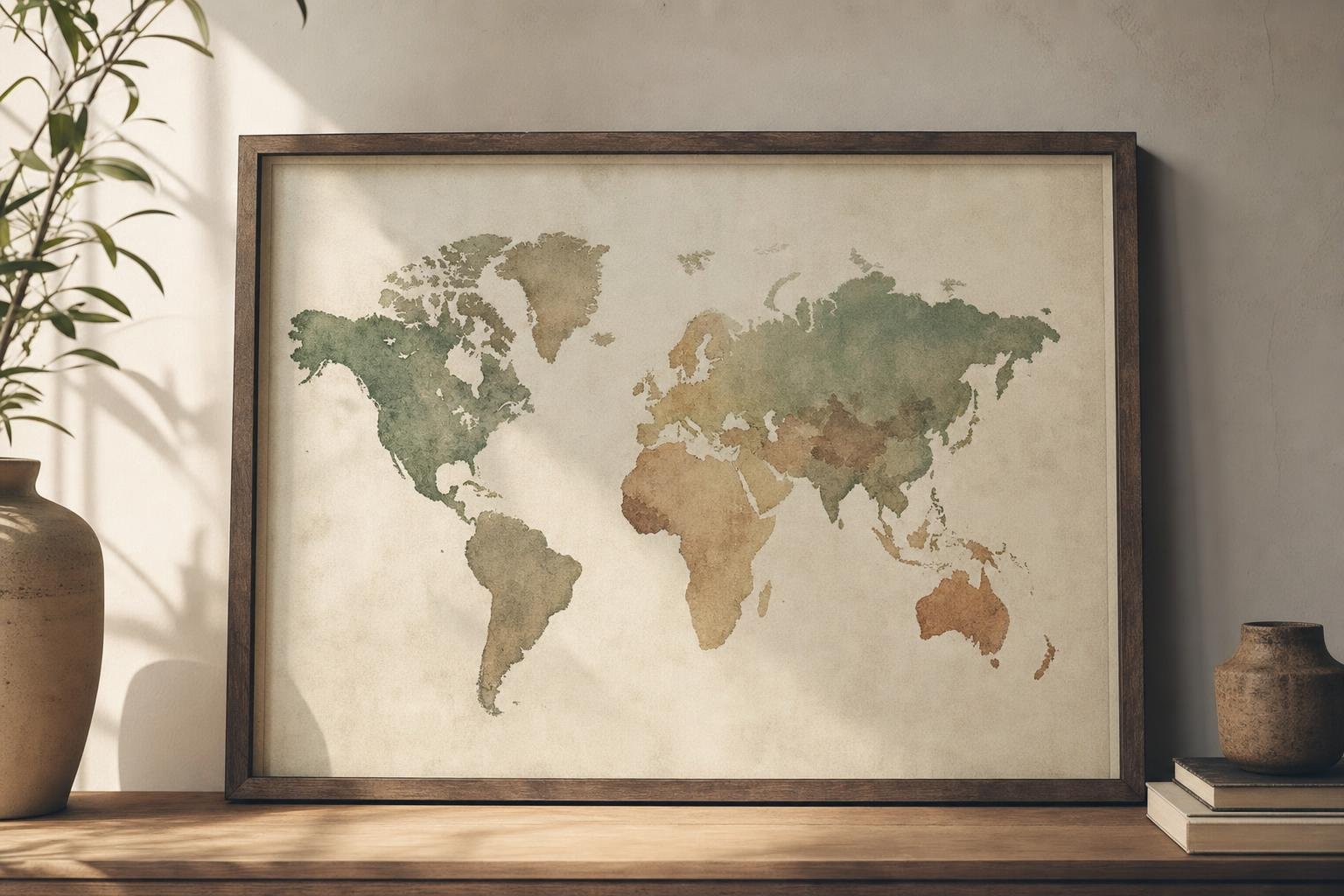
Olympic Peninsula · Patagonian steppe · Amalfi cliffs · Sahara fringe — and more to come.
The journal currently spans four corners of the world — a temperate rainforest in Asia's Pacific neighbor, a wind-scoured steppe in the Americas, a cliffside coast in Europe, and a desert edge in Africa. Each was chosen less for being famous than for the wildlife that makes it worth the effort of getting there.
The map fills in one outing at a time. Future entries might add a cloud forest in the Andes, a seabird colony in the Pacific, or a wetland closer to home. Replace this note with the habitats you're planning so readers know what to look forward to.
Good to know
Yes — everything here is a placeholder you can adapt. Replace the notes with your own outings and share freely. Just double-check current access rules and seasonal closures before you go, since those change through the year.
Add your contact details here so readers can reach you directly.